
TL;DR for founders:
The early years of my business looked like four hours of sleep, a beat-up van, and doing school, internship and startup all at once — with zero guarantee it would work.
If you want to be a founder, don’t just romanticise “freedom”; be ready for years of hard, lonely, uncertain work powered only by purpose, passion and stubborn optimism.
Forgetting How Hard It Really Was
It might have been the recent holiday to Suzhou and Hangzhou that triggered all this. With more time to talk to my kids about the realities of being a boss, and my wife (then girlfriend) around to help hold up a mirror, I realised something uncomfortable: I don’t clearly remember how hard I actually worked when I first started my business. To my wife, it didn’t seem humanely possible, but yet the reality showed otherwise.
Because of that “recency effect”, the fires I’m fighting now feel huge, and the problems I faced in the early days feel almost trivial in comparison. But they weren’t trivial at all. They’re just far enough away that the sharp edges have blurred.
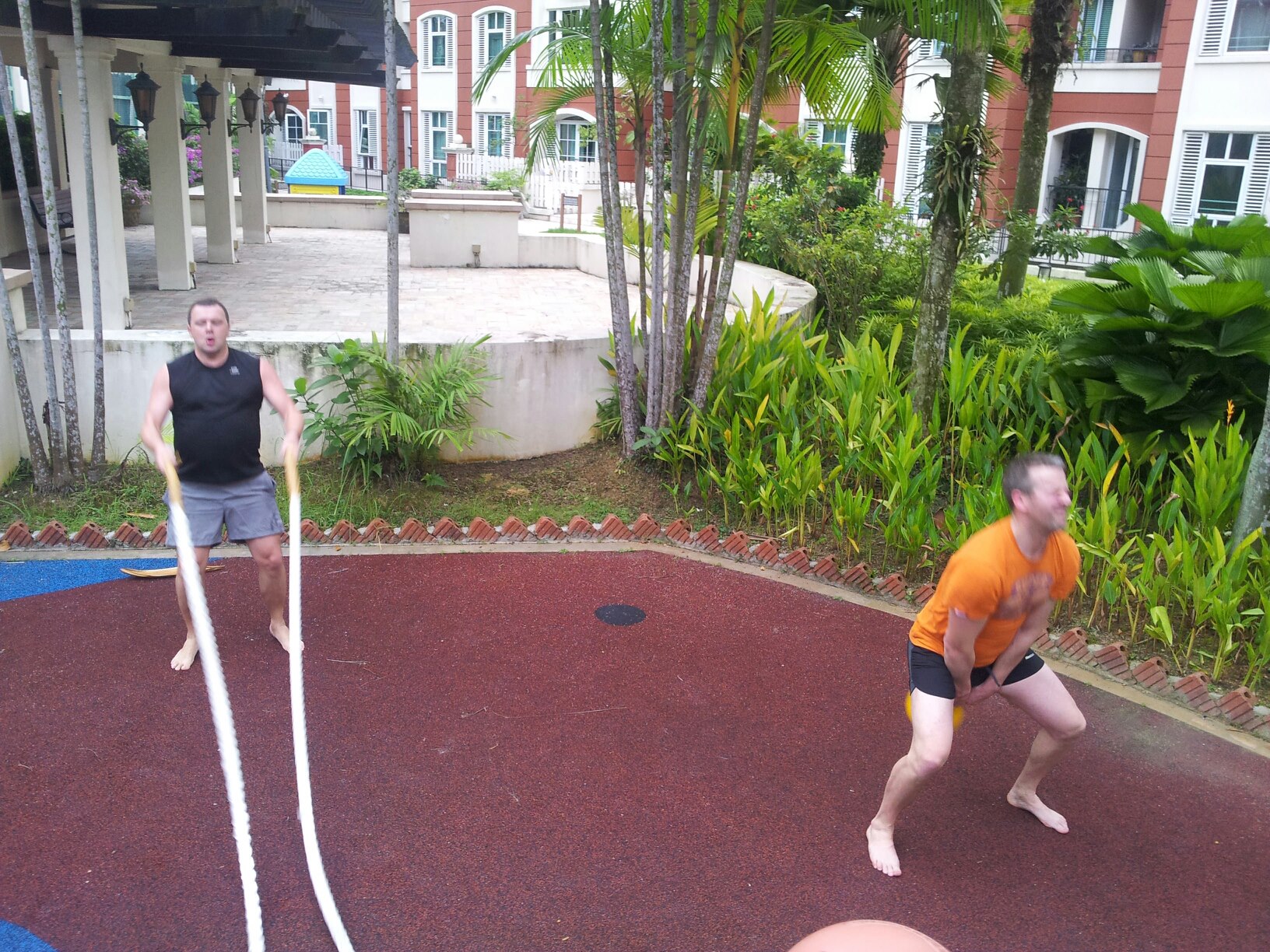
2010: ORD, NTU, and My First Gym
I started my first gym, KettlebellHIT, in 2010 with David. I was about to finish National Service and hadn’t even officially begun my first semester at NTU (Nanyang Technological University).
On paper it sounds exciting: young, energetic, starting a gym. In reality, the work–study combination was brutal.
In the day, I was building the gym and trying to get an e-commerce store off the ground. I was running roadshows, designing kettlebell packages, handling deliveries, and doing web work for AIBI on the side, all while not drawing a salary. At the same time, I was a brand new university student trying to cram university-level knowledge into a brain that was already fried from fatigue.
My dominant memory from that period is sleep – or more accurately, the lack of it. On some nights, I crashed in my business partner’s spare room because it was too late to go home. On others, I slept on benches in NTU, because closing my eyes for a few hours near the lecture halls felt more efficient than travelling back and forth.
It was intense and exhausting, but also strangely exhilarating. For someone with too much energy and too many ideas, it was the perfect outlet.
Leaving the Gym and Finding a Stopgap
Around April 2011, I left the gym business after some disagreements with my partner, David. That chapter closed quickly and a little messily, as early ventures often do.
After that, I pivoted to something more straightforward: I got my personal training certifications and started doing house-visit personal training. It was honest work, and to be frank, quite lucrative. For a while, that became my main income while I figured out what was next.
2012: Shanghai, Taobao and a New Idea
Then came 2012, and with it, Shanghai.
From January to June, I was on exchange at Fudan University. Being in China for the first time as a foreign student came with two predictable outcomes: we travelled a lot, and we bought way too much random stuff from Taobao.
By the end of the semester, we had a small “warehouse” in our dorm and plans to travel to West China after exams. The problem was obvious: we couldn’t carry everything with us. We found a shipper in Shanghai who could send our excess belongings back to Singapore. That solved the logistics problem, but it also lit a new spark. I was fascinated by what we could get from Taobao, and somewhere between all the “rubbish” we bought, I started to see opportunity.
I began shipping back cartons of quirky paraphernalia – not just as souvenirs, but as the starting inventory for what would become my next venture, a gift shop called 49orLess that sold items under $50. Later on, I would switch to another shipper in Guangzhou and experiment with larger sea shipments charged by cubic metre instead of weight. But at that point, in 2012, the focus was still simple: get this little gift shop off the ground.

49orLess and the Market’s Feedback
Around July 2012, I officially started working on 49orLess.
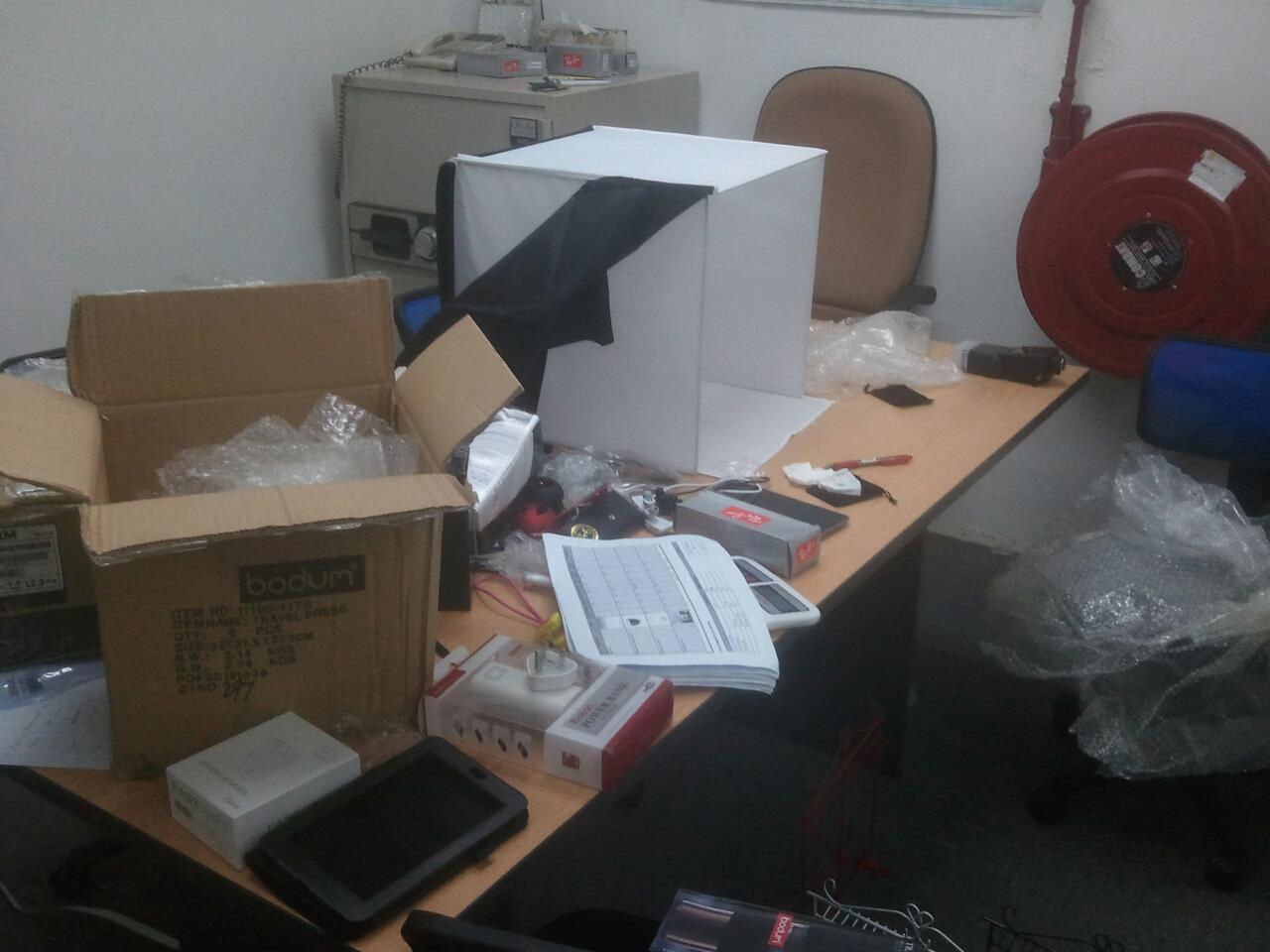
It didn’t take long for the market to send a clear message: the best-selling items were not the novelty gifts I enjoyed curating. The things that really moved were the fitness products – strong hand grippers, Fat Gripz, suspension trainers.
Fitness kept calling me back, just in a different form.
Ritual, Containers and the Birth of Movement First
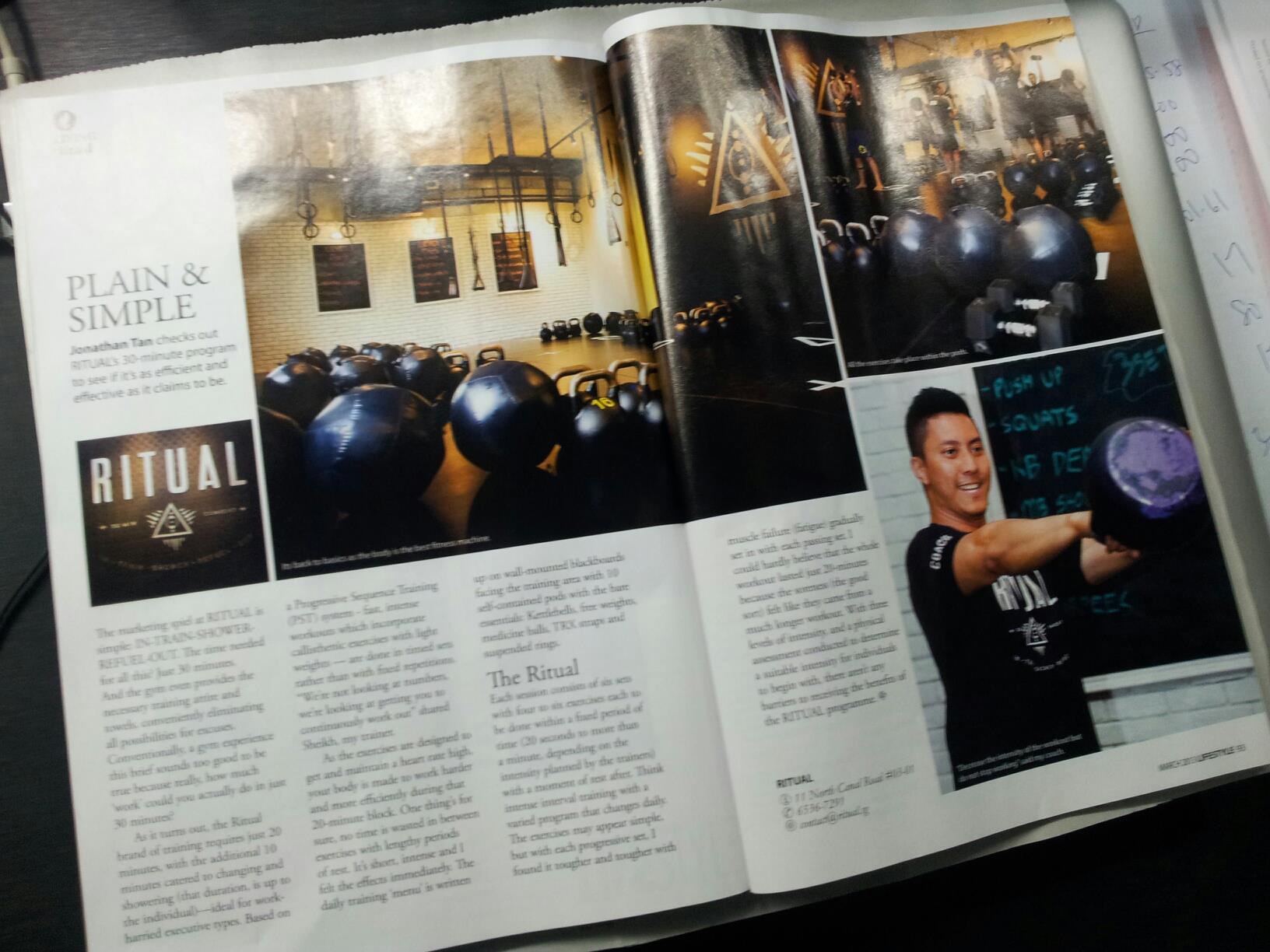
Around September 2012, that call became louder. Ian Tan, whom I knew from KettlebellHIT, was taking his first steps in starting Ritual, and he asked if I could help source their first batch of fitness equipment.
Their order would fill only about half of a 20-foot container. Since the container was going to sail anyway, I ran a pre-order among friends in the fitness industry and filled another chunk of space. The rest I used for inventory I planned to stock.
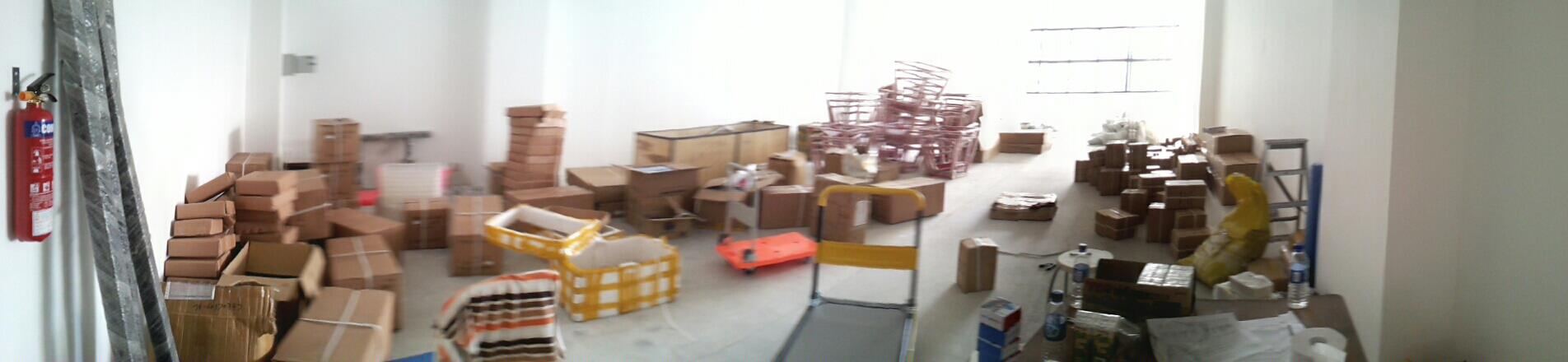
That container became the foundation of Movement First, which I officially started in October 2012.
In December 2012, we delivered Ritual’s first batch of equipment to their North Canal Road location. It felt like a simple fulfilment job at the time, but in hindsight, it was a key turning point that nudged me properly into the fitness equipment business.
2013: Corporate Intern by Day, Founder by Night
Then came another split life: student, entrepreneur, and now corporate intern.
In January 2013, I started my official internship with The Nielsen Company which was a university requirement. I tried to apply to intern for my own business, but it wasn’t approved. During the interview, the hiring manager, Kelvin Tng, asked me, “If we offer you a job after your internship, will you accept it?”
I told him, quite plainly, “No.” My plan was to start hiring people the moment I graduated. I also told him I was already running a business, but promised it would not affect my internship duties.
Somehow, he hired me anyway.
I was incredibly fortunate to have Kelvin as a manager. He had sold his shares in a startup before joining Nielsen, so he understood the entrepreneurial urge. He became both supportive of my side venture and protective of my time.
We had a simple agreement: I would complete everything he assigned me as well and as fast as possible, and once that was done, I could use the remaining time to work on my business. If he needed anything new from me, his work would always take priority.
Automating Work to Buy Back Time
Most of the intern tasks then were repetitive. We spent a lot of time pulling specific cells from Excel sheets, pasting them into other sheets, and running basic analyses using SPSS (a statistics software) for media clients.
This wasn’t academic research; it only needed to show reasonable correlations on a weighted sample. If you knew which levers to pull, you could produce the story the client expected.
Because I had some programming knowledge and wasn’t afraid to dig around Github and forums, I started automating my tasks. Soon, most of my weekly workload became a matter of running macros and letting the laptop crunch away while I went to make myself a coffee.
I finished things so quickly that Kelvin actually asked me to slow down because he was running out of work to give me.
Other managers began asking if they could “borrow” me. To shield my time a little, Kelvin told me to always keep an Excel window open and moved me to a spot where fewer people could see my screen. That way, he could truthfully say I was busy, even though, in the background, I was uploading products, replying customer emails and troubleshooting website bugs for my own business.
A Day in the Life on Four Hours of Sleep
My daily schedule during that period was not glamorous.
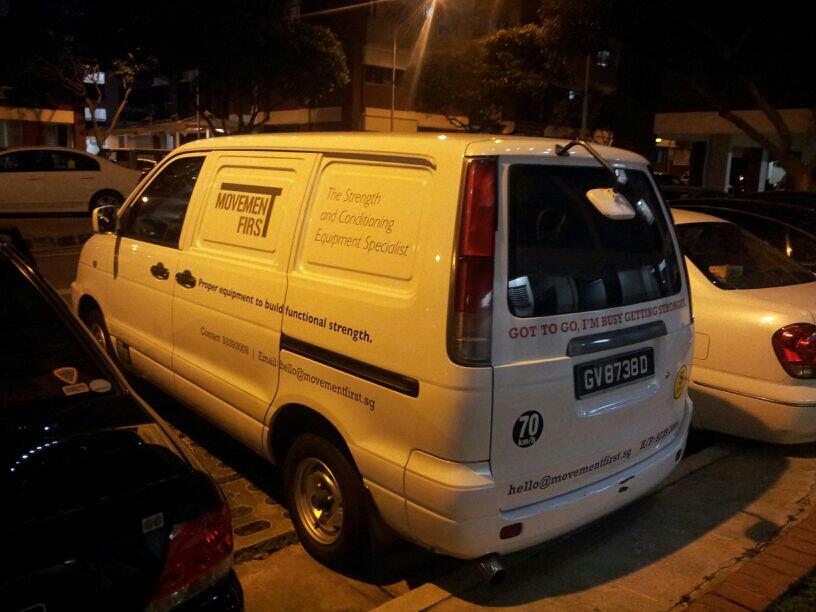
I’d wake up around 7am, drive the van to Ang Mo Kio MRT, where I had a park-and-ride season lot, and take the train to Novena to reach the office by 9am.
After work, around 6pm, I would either meet my then-girlfriend (now wife) for dinner and send her home, or head to my uncle’s office to pack orders, coordinate couriers, plan delivery routes, or go out with the van to deliver equipment myself.
Most nights ended at 2 or 3am. For years, I operated on roughly four hours of sleep a night.
At the time, it just felt like what needed to be done.
Choosing the Business Over a Perfect GPA
By my final year at NTU in 2014, my GPA (grade point average) hovered around 4.5 to 4.6.
On paper, that looked great. Internally, I could sense the early signs of burnout. The business was ramping up, responsibilities were multiplying, and I had to make a choice.
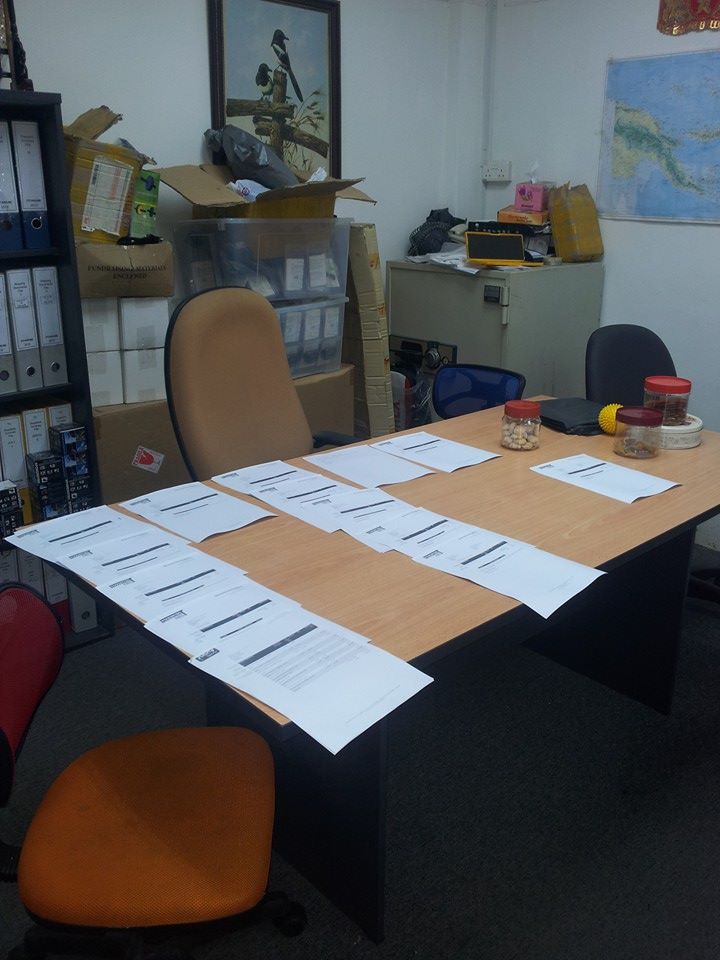
These were the orders I had to pack by myself in February 2014.
I made a deliberate decision to stop chasing the perfect GPA and to redirect more energy into the business. Even so, I graduated with a GPA of 4.45 and was featured as a top graduate in the university corporate communications. It was a nice recognition, but by then my mind was already more on the company’s trajectory than my own academic score.
What Aspiring Founders Often Don’t See
I’m sharing these stories because I think many of us, especially in Asian cultures, are conditioned to be humble about how hard we’ve worked. We don’t want to sound like we’re bragging. So we tell the “highlights” and quietly skip over the nights sleeping on benches, the uncertainty, and the emotional cost.
But entrepreneurship isn’t just hard work with a guaranteed reward at the end. It’s hard work with no certainty of payback.
The most likely outcomes, especially in the beginning, are losses: lost time, lost money, and a lost social life. While friends are hanging out, partying, travelling, or enjoying the full “undergraduate experience”, you might be packing boxes, fixing website bugs and answering customer enquiries at midnight.
If you’re thinking about becoming a founder, you need to go in with your eyes open. The reality is tough, and you have to be ready to sacrifice large chunks of your life without any guarantee it will all “pay off”.
The only sustainable fuel I’ve found is not money or status, but something deeper: a sense of purpose, genuine passion for the work, and a kind of stubborn, unreasonably optimistic hope that the tough years will somehow be worth it.
That combination carried me through those long seasons I now sometimes forget — and it’s probably the only reason I’m still doing this today.
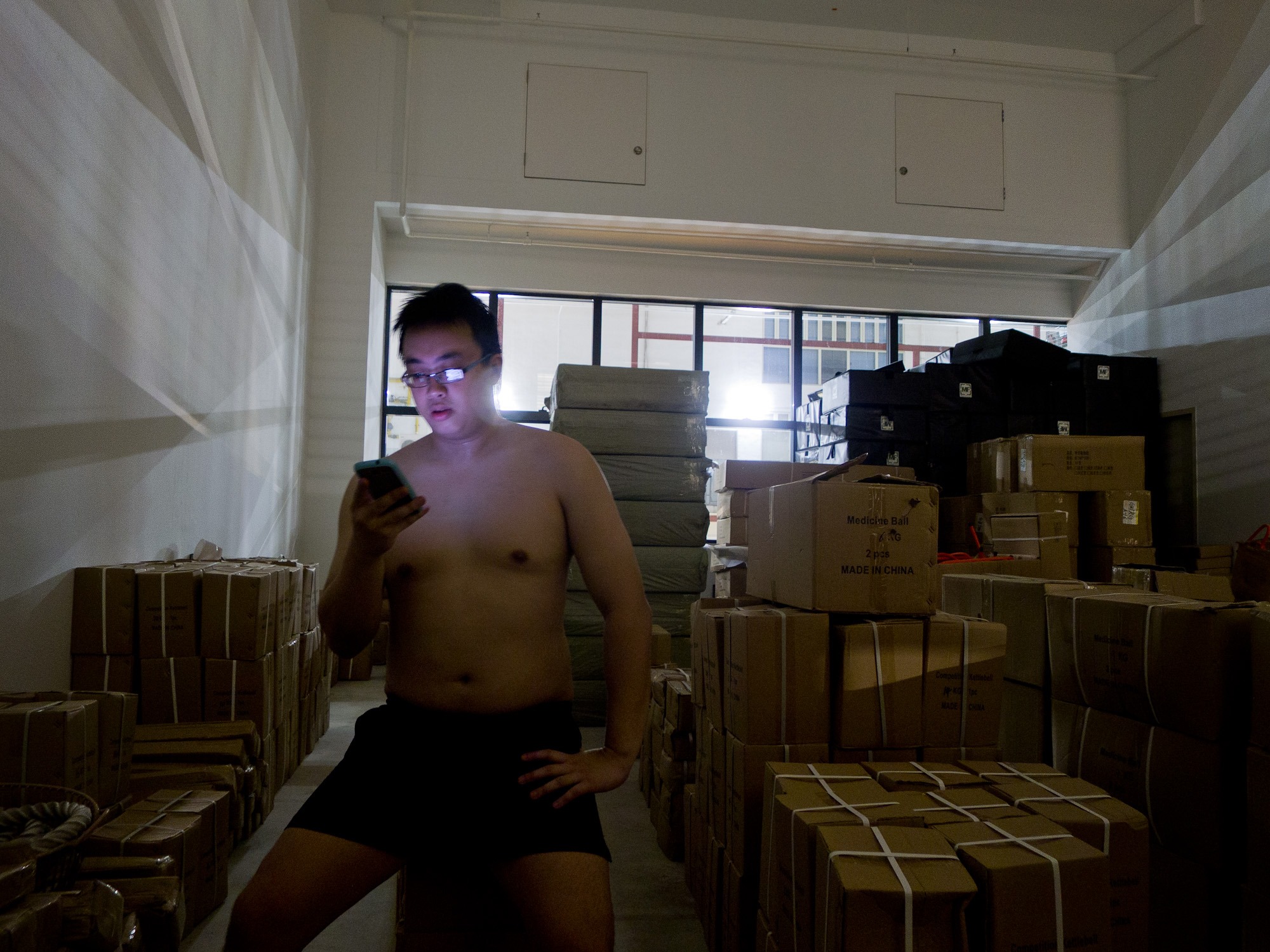
If you have stayed until this long, just remember that more than 10 years ago, in our final semester, my business partner and I were moving goods using 2 vans between warehouses from 8pm to 6am, sleeping 2 hours, then going to class at 9am, and repeated this for 3 nights. It was really tough. I cannot imagine doing the same thing today.
Leave a Reply